November 24, 2026
Relocating a business involves much more than transporting desks, chairs, and office supplies. Every department relies on equipment, records, and workspaces that must be moved without creating unnecessary interruptions. Even a relatively short relocation can affect employee schedules, customer communication, and daily operations when important details are overlooked. Businesses also need to consider building access, technical requirements, and the order in which different areas should be packed and reopened.
Hiring experienced commercial movers can make this process more manageable. Professional moving teams understand how to organize complicated transitions, coordinate resources, and handle workplace belongings with care. Their planning and practical knowledge can help businesses protect valuable assets while establishing a realistic schedule. Understanding these advantages allows decision-makers to approach a relocation with greater clarity and fewer avoidable disruptions. Setting expectations early also helps customers, suppliers, and employees prepare for temporary changes in availability or access.
Reducing Operational Downtime
Time away from normal operations can affect revenue, customer satisfaction, and employee productivity. A business relocation often involves several moving parts, from shutting down workstations to preparing the new location for daily use. Without a coordinated approach, employees may arrive at the new workplace only to discover that essential equipment or supplies are difficult to locate.
Experienced commercial movers can help establish a sequence that reflects how the business operates. Teams may prioritize frequently used equipment, coordinate department moves, and arrange transportation during evenings or weekends when appropriate. They can also work around elevator reservations, loading dock schedules, and building restrictions that might otherwise delay progress.
Although no relocation can eliminate every interruption, an organized moving plan can shorten the time between closing one workspace and opening another. Employees can return to their responsibilities sooner, and managers can focus on supporting customers rather than resolving avoidable logistical problems.
Protecting Business Assets During Transport
Offices and commercial facilities contain items that require different packing, handling, and transportation methods. Computers, monitors, conference tables, display fixtures, and specialized equipment can be damaged when they are moved without proper preparation. Important paper files may also need careful organization to prevent misplacement and preserve confidentiality.
Professional crews use appropriate packing materials, protective coverings, and handling techniques based on the belongings involved. They can assess oversized furnishings, identify equipment that requires disassembly, and plan how to navigate narrow doorways or crowded corridors. Clear labeling helps keep items associated with their original departments and intended destinations.
Experienced commercial movers also understand the value of developing an inventory before moving day. Recording what is being transported provides a practical reference when items arrive and helps staff identify anything that needs attention. Businesses with sensitive records or specialized machinery should discuss security procedures, equipment requirements, and any limitations with their moving provider before work begins.
f
Coordinating Complex Relocation Requirements
A commercial move can involve multiple parties with separate responsibilities, including property managers, information technology teams, vendors, and building security personnel. Scheduling becomes particularly important when the business is moving between occupied facilities or must meet a strict lease deadline. Delays in one area can create problems for everyone working on the transition.
According to MoveBuddha, the moving services industry employs approximately 106,000 people and includes about 7,667 businesses, many of which provide commercial moving and relocation services. With numerous providers operating in the industry, companies should evaluate relevant commercial experience rather than focusing on availability alone.
Qualified commercial movers can coordinate arrival windows, loading procedures, equipment needs, and transportation routes. A designated point of contact can help clarify responsibilities and keep updates consistent. When the moving schedule accounts for these details in advance, businesses are better positioned to manage changes without allowing small issues to disrupt the entire relocation.
Maintaining Employee Focus and Productivity
Employees often have questions about where to pack personal belongings, when they should disconnect equipment, and how they will find their workstations at the new location. If instructions are inconsistent, departments may prepare at different speeds, and essential materials can end up in the wrong place. A structured relocation process gives employees clearer expectations.
Working with commercial movers allows managers to assign physical moving responsibilities to trained crews while staff concentrate on tasks specific to their jobs. Employees can prepare files, confirm workstation needs, and communicate with customers instead of spending hours lifting furniture or carrying heavy boxes. This division of responsibilities can also reduce confusion during the busiest stages of the move.
Businesses should still share a detailed internal timeline, identify departmental contacts, and explain what employees need to complete before moving day. Collaboration between the moving team and workplace staff helps create an orderly transition and supports a faster return to familiar routines.
Improving Workplace Safety
Moving heavy office furniture, storage cabinets, and equipment creates physical risks, especially in stairwells, tight hallways, and busy loading areas. Employees who are unfamiliar with safe lifting procedures may injure themselves or accidentally damage property. Poorly planned traffic patterns can also create obstacles for people entering or leaving the building.
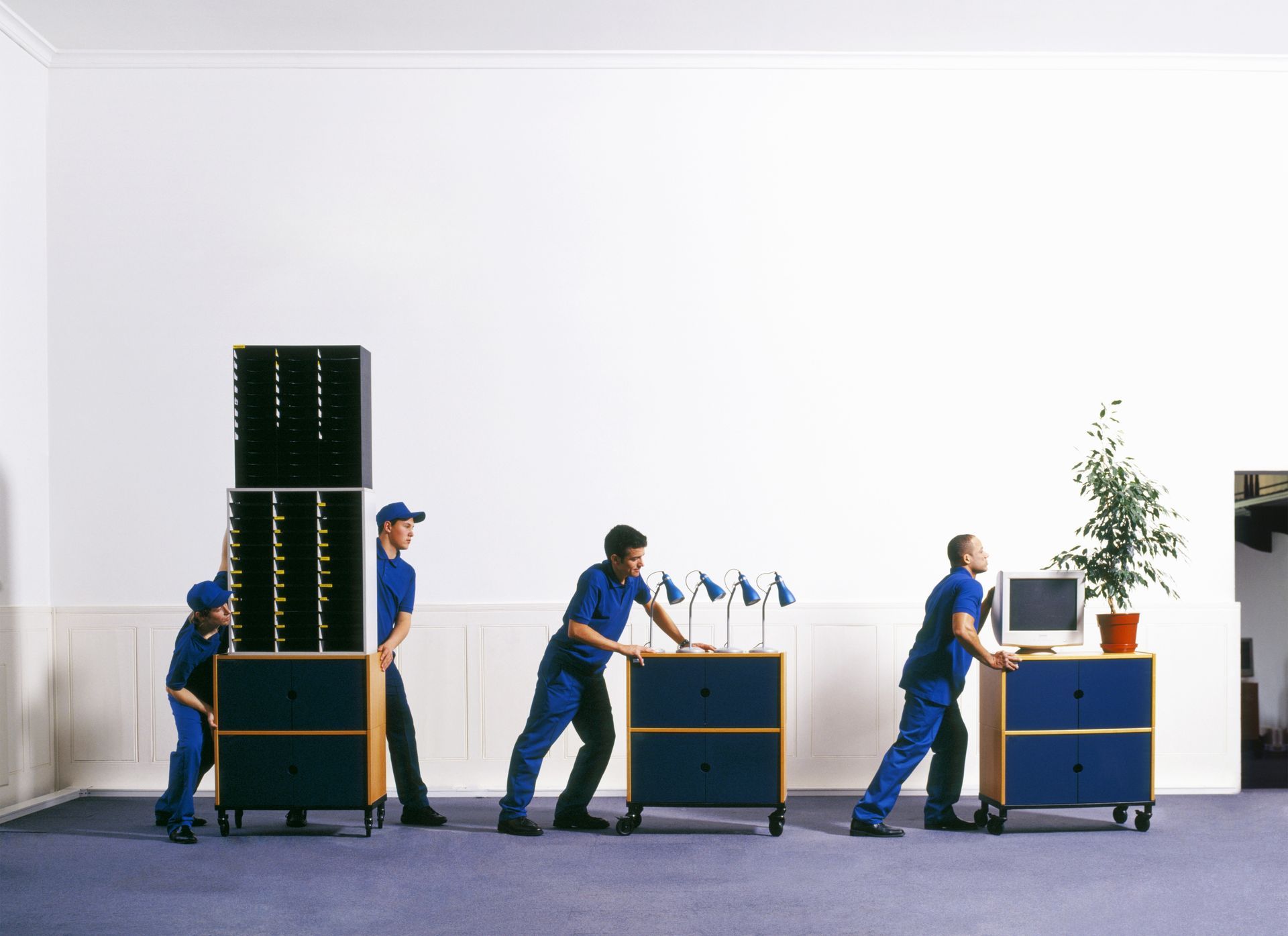
Experienced commercial movers bring practical knowledge of safe handling methods and the equipment needed for demanding tasks. Depending on the project, crews may use dollies, carts, protective padding, or other tools to move items more efficiently. They can also plan where materials should be staged so exits and common routes remain accessible.
Before hiring a provider, businesses should ask about insurance coverage, safety practices, and procedures for reporting damage or incidents. These conversations clarify what protections apply and what responsibilities remain with the business. Thoughtful preparation helps reduce preventable hazards for employees, movers, and other building occupants.
Controlling Costs and Avoiding Surprises
Relocation budgets can be affected by more than the price of a moving truck. Packing supplies, equipment handling, temporary storage, building access fees, and downtime may all contribute to the total expense. Unexpected delays can add costs when a business needs extra labor or must extend its access to an existing location.
Commercial movers with relevant experience can evaluate the scope of a project and explain which services are included in an estimate. An initial assessment may identify oversized objects, restricted loading areas, or special requirements that could affect scheduling and pricing. Businesses can then compare written proposals using consistent information instead of relying on the lowest advertised rate.
Managers should review payment terms, potential additional charges, and responsibilities for packing or unpacking before approving a contract. While experienced help does not guarantee the cheapest move, careful planning can make expenses more predictable and help prevent avoidable disruptions from becoming costly problems.
Supporting Workplace Transitions
A relocation is not finished when the last box enters the building. Employees need functioning workspaces, supplies must be accessible, and departments must understand where their resources belong. Businesses may also need to coordinate technology installation, confirm furniture layouts, and address remaining packing materials before the new location is fully operational.
Experienced commercial movers can support this final stage by placing labeled items in designated rooms and positioning furniture according to an agreed plan. Some providers also offer unpacking, furniture assembly, or removal of used packing materials. Confirming the available services in advance helps avoid assumptions about what happens after delivery.
Before the move, managers should prepare a floor plan, confirm key contacts, and create a checklist for the first day in the new space. When professional moving support is combined with internal preparation, the transition can become more organized and less disruptive. Call U.M.C. Moving Company, Inc. today to schedule your commercial moving service.